A bright smile starts with understanding what tooth discolouration actually is. Stains live both on the surface of enamel and within the tooth structure, and different whitening methods target different layers.
Surface vs intrinsic stains
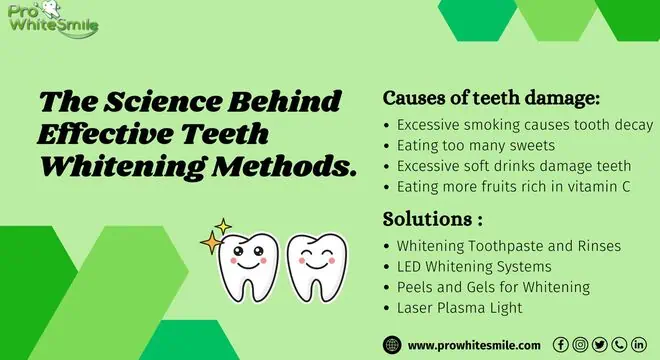
Surface (extrinsic) stains come from coffee, tea, wine, smoking and pigmented foods. They sit on enamel and respond well to abrasive toothpastes and mild bleaching.
Intrinsic stains live deeper in the tooth — from ageing, certain medications, or trauma — and need a peroxide-based gel to break them down.
How bleaching gels work
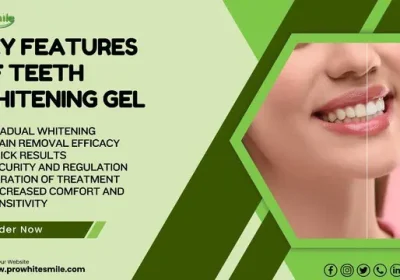
Hydrogen and carbamide peroxide release oxygen molecules that pass through enamel and react with stain compounds, lightening the tooth from the inside out.
Concentration, contact time, and how evenly the gel is applied all influence the final shade.
Choosing the right method
For deep change, peroxide-based gels delivered in a tray or in-office treatment remain the most effective.
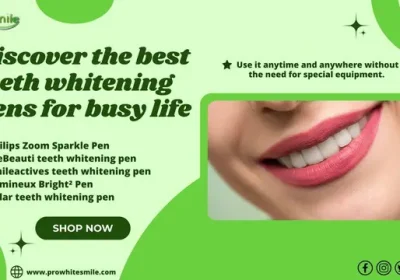
For maintenance after whitening, a whitening pen or toothpaste is enough to keep results steady.